

After a hard day, many parents ask:
“Why does this keep happening?”
“Am I missing something?”
“Will sensory play really help?”
If your child has frequent meltdowns, you’re not alone. And here’s the honest answer: Sensory play can help reduce meltdowns. Not by controlling behavior… But by helping the body feel safe.
Quick Answer for Parents
Sensory play can help reduce meltdowns by supporting nervous system regulation. Research and lived experience show that when sensory-sensitive and neurodivergent children receive appropriate sensory input, their bodies are better able to manage stress, reducing the frequency and intensity of meltdowns over time.
What Is a Meltdown (And What It Is Not)
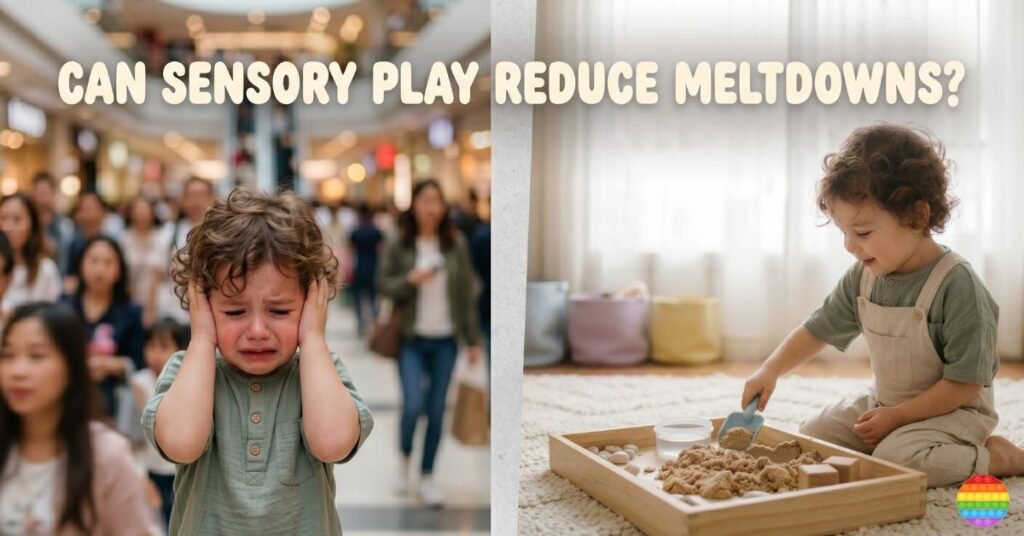
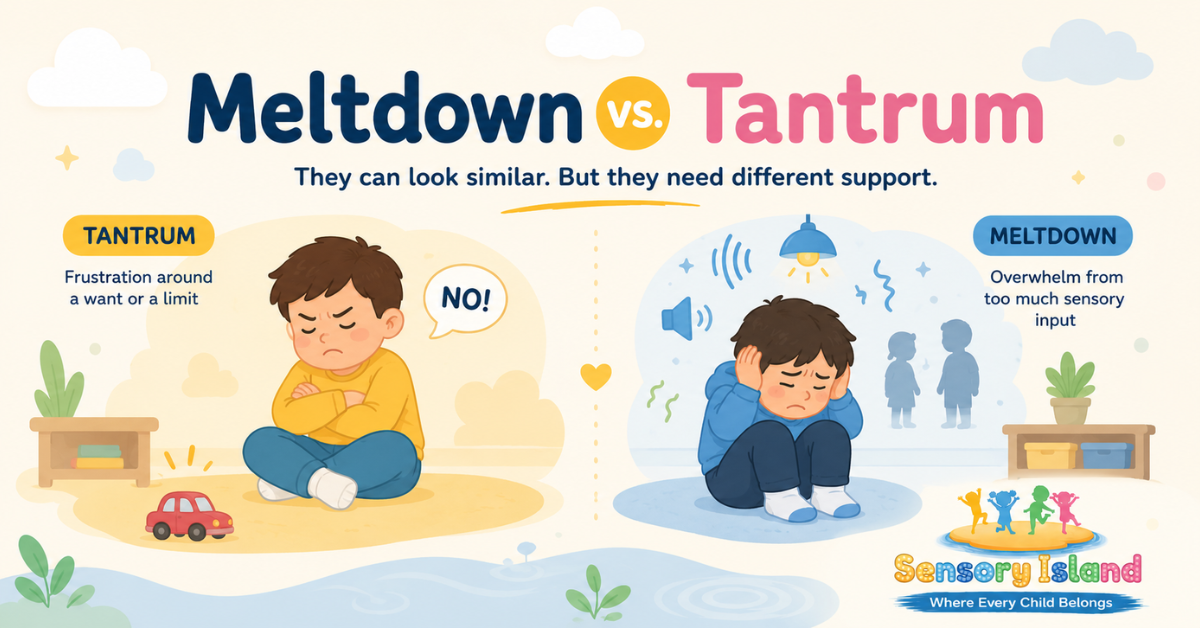
A meltdown is not a tantrum. It is not attention-seeking. It is not a behavior problem. A meltdown happens when the nervous system is overwhelmed. During a meltdown:
- The body is in stress mode
- The brain is focused on safety
- Thinking and control are not available
This is not a choice. It is a body response.
Why Meltdowns Happen
Meltdowns build up over time. Common triggers:
- Loud noise
- Bright lights
- Crowds
- Transitions
- Social demands
- Hunger or tiredness
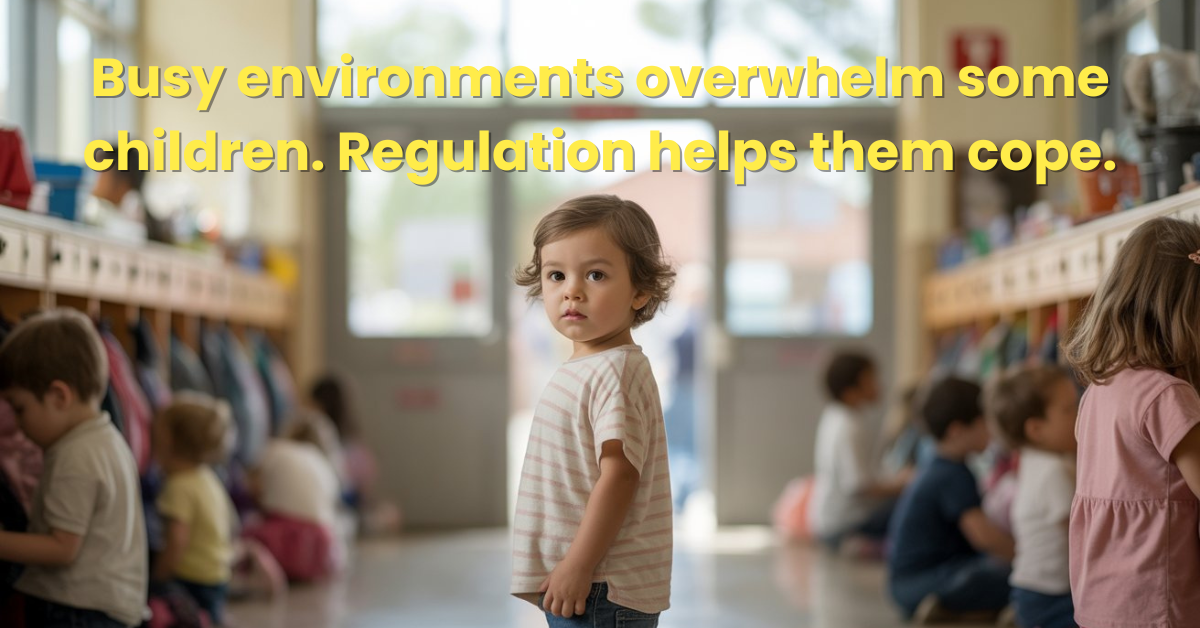
(You may also notice this more in busy environments — read: How Busy Environments Impact Sensory-Sensitive Children)
Where Sensory Play Fits In
Sensory play does not stop a meltdown in the moment. It helps by:
- Supporting regulation before stress builds
- Helping the body return to calm
- Increasing the ability to cope
Think of sensory play as preparation, not reaction.
(Also read: Regulation Before Learning)
What Research Says About Sensory Play
Research in child development and occupational therapy shows that sensory input supports regulation. When children get the right input:
- Stress responses can decrease
- The body can feel safer
- Emotional regulation can improve
This is supported by:
- Sensory Integration Theory (Dr. A. Jean Ayres)
- American Occupational Therapy Association (AOTA)
- Child Mind Institute
Sensory play helps the brain organize and respond better.
What Parents Notice in Real Life
Parents often see:
- Fewer meltdowns on active days
- Shorter meltdowns after calming play
- Faster recovery
Sensory play doesn’t remove challenges. But it can:
- Reduce intensity
- Shorten duration
- Improve recovery
Sensory Play Helps Prevent, Not Control
A common mistake is using sensory play only after a meltdown starts.
It works best when:
- Used daily
- Offered before overload
- Given without pressure
Sensory play is prevention, not correction.
Types of Sensory Input That Help
Movement
Swinging, climbing, rocking
Deep Pressure
Hugs (if welcomed), pushing, weighted items
Tactile Play
Sand, water, clay
Visual Calm
Soft light, simple spaces
(Explore more: How Sensory Play Helps Neurodivergent Children)
Sensory Play Will Not Remove All Meltdowns
Let’s be honest:
- It will not stop all meltdowns
- It will not “fix” a child
And that’s okay.
The goal is support, not perfection.
Why Environment Still Matters
Even with sensory play, environment matters. Busy places can overwhelm quickly. Calm spaces help the body stay regulated.
(See: Top Sensory-Friendly Activities in New York)
Sensory Island: A Regulation-First Space on Long Island
Sensory Island, opening end of May 2026 on Long Island, is built for regulation. The goal is simple:
- Reduce overload
- Support calm
- Help children feel safe
Key Takeaway
Sensory play can reduce meltdowns by:
- Supporting regulation
- Increasing coping ability
- Helping with faster recovery
Final Thoughts for Parents
If your child has meltdowns, it does not mean you are failing. It often means their body is overwhelmed. Sensory play is a way of saying:
“I see you.”
“I understand you.”
“I want to help.”
And that support matters.
FAQs
Can sensory play stop meltdowns completely?
No. It helps reduce frequency and intensity, not eliminate them.
How long does it take for sensory play to work?
Some effects are immediate. Long-term changes happen over time.
Is sensory play only for autistic children?
No. It helps any child with sensory needs.
When should sensory play be used?
Before stress builds, during the day, and after challenging moments.