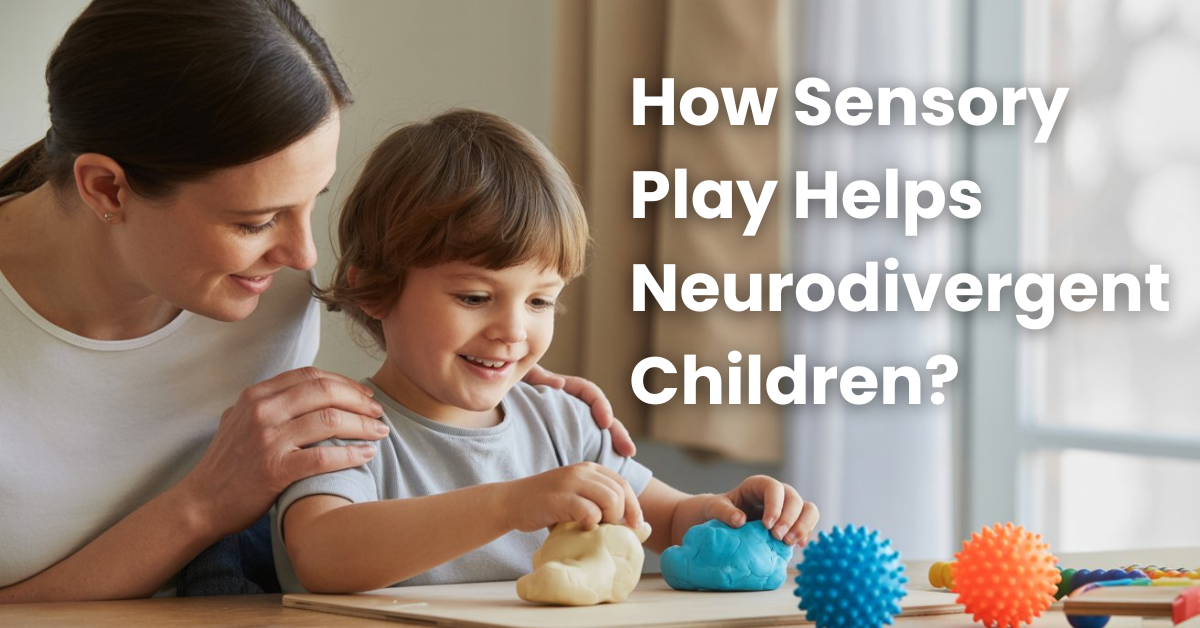
Sensory play is more than fun. It is how many children understand, explore, and feel safe in the world. For neurodivergent children, including autistic kids and kids with sensory processing differences, sensory play can be life-changing. It can help them calm their bodies, build confidence, and learn in ways that feel natural and joyful.
This guide explains the science of sensory play, the benefits, and what parents across New York City and Long Island should know as they support their child’s development.
Families in Brooklyn, Queens, Manhattan, the Bronx, Staten Island, and Long Island are always searching for safe, sensory-friendly spaces. This article will help you understand why those spaces matter and how sensory play can support your child every single day.
What Is Sensory Play?
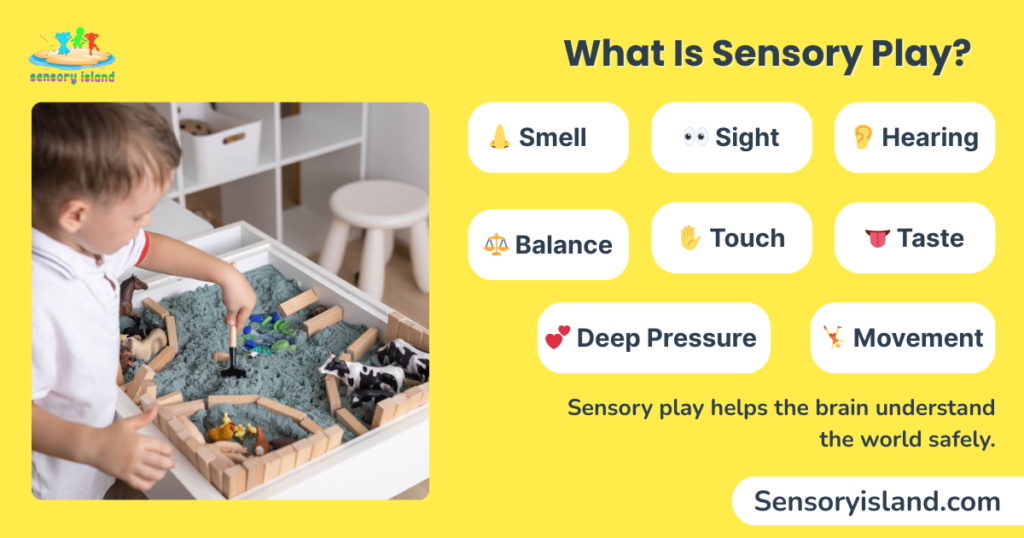
Sensory play is any activity that uses the senses:
- Hearing
- Sight
- Smell
- Taste
- Touch
- Movement
- Balance
- Deep pressure (proprioception)
These senses help the brain understand what is happening in the world. For neurodivergent children, the world can often feel too loud, too bright, too fast, or too confusing. Sensory play creates a safe way to process information without overwhelm.
Examples of sensory play include:
- Water play
- Textures (sand, rice, fabric, foam)
- Climbing, rolling, jumping
- Swinging
- Deep-pressure activities
- Light play
- Cause-and-effect toys
Sensory play helps the brain sort, organize, and respond to information gently and safely.
Why Sensory Play Matters for Neurodivergent Kids
For many neurodivergent children, daily environments like school, stores, parks, or crowds can overwhelm their senses. Sensory play provides a way for them to reset, explore, and relax.
Here’s what it supports:
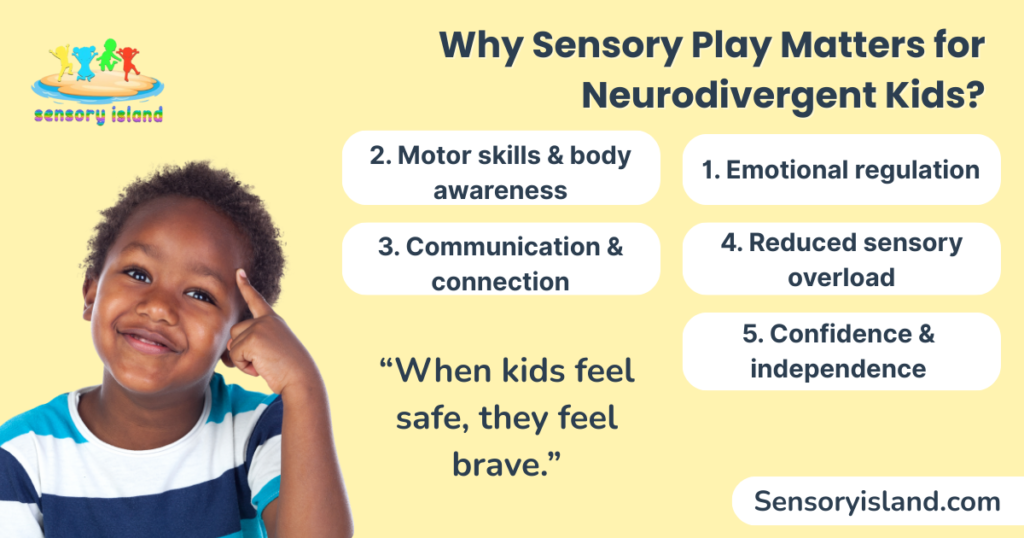
1. Emotional Regulation:
Many children struggle to express how they feel. Sensory play offers a way to calm the body first, so the child can communicate better. Deep pressure, slow movement, and warm textures all help lower stress and support emotional balance.
2. Motor Skills & Body Awareness
Climbing, crawling, pushing, pulling, and balancing help children learn how their bodies move. For neurodivergent children, this builds:
- Strength
- Coordination
- Confidence
- Safety awareness
3. Communication & Social Skills
Some kids speak. Some use gestures. Some use eye contact. Some don’t. Sensory play gives them a shared activity where communication feels easier and less stressful.
4. Reducing Sensory Overload
When kids face intense sensory input all day (noise, lights, crowds), their brains become overwhelmed. Sensory play helps:
- Release built-up stress
- Reset the nervous system
- Build tolerance gently
5. Building Confidence
Traditional play spaces can feel too loud, fast, or unpredictable for some kids. Sensory play allows them to explore in ways that match their comfort level. When kids feel safe, they feel brave.
The Science Behind Sensory Play
Researchers explain that sensory play helps build “neural pathways,” the brain’s road system that connects information. When a child engages in sensory play:
- The brain practices organizing information
- Stress levels are lower
- Learning becomes easier
- Communication improves
This is why occupational therapists often use sensory activities like:
- Weighted items
- Swings
- Compression tools
- Tactile bins
- Resistance play
- Calming corners
Parents don’t need fancy tools to support sensory development; even simple home activities work.
Common Sensory Needs Neurodivergent Children Experience
Every child is different, but here are common sensory patterns:
Sensory Seekers: They may love jumping, spinning, crashing, climbing, strong pressure, and big movement.
Sensory Avoiders: They may dislike loud sounds, bright lights, crowds, scratchy clothes, and quick changes.
Mixed Profile: Many children show both: avoid noise but seek movement, avoid crowds but crave deep pressure.
Understanding sensory needs helps parents support their child with compassion, not frustration.
Simple Sensory Play Activities Parents Can Try at Home
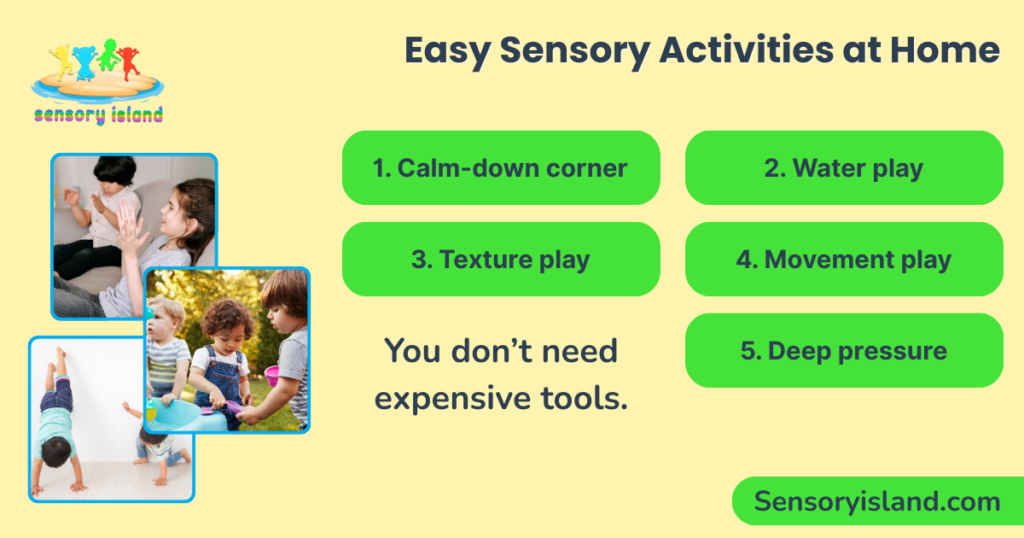
Here are easy ideas parents in Long Island can use anywhere:
1. Calm Down Corner: Soft pillows, gentle lights, textures, books.
2. Water Play: Warm or cool water, pouring cups, foam play.
3. Texture Exploration: Rice, pasta, fabric scraps, and kinetic sand.
4. Movement Play: Rolling on the floor, slow swinging, and climbing on cushions.
5. Deep Pressure Activities: Blanket burritos, big hugs (if child enjoys them), weighted lap pads.
All of these help children regulate their feelings and energy levels.
Why Sensory-Friendly Spaces Matter (Especially in Long Island)
New York is loud, busy, crowded, and full of unpredictable sensory input. For many neurodivergent kids, this means:
- Frequent overwhelm
- Meltdowns
- Fear of new places
- Struggles at school or outings
- Avoiding public spaces
Sensory-friendly environments with soft lighting, calm corners, predictable layouts, and safe materials can make a huge difference. These spaces allow children to enjoy:
- Calm
- Routine
- Exploration
- Success
- Joy
And they allow parents to breathe.
What Parents Should Look for in a Sensory-Friendly Center
If you’re searching for sensory-friendly places in New York, here are key things to look for:
Soft lights: No harsh brightness.
Safe materials: Wood, soft textures, and rounded shapes.
Quiet corners: Places to rest during overload.
Predictable layouts: Clear paths, simple flow.
Sensory-inclusive design: For both seekers and avoiders.
Staff trained in sensory awareness: Understanding child behavior without judgment.
A calm, supported atmosphere: A place that feels safe for both the child and the parent.
Sensory Island – A New Calming Space for Long Island Families (Opening Spring 2026)
Sensory Island, located at Tanger Outlets, 152 The Arches Circle, Deer Park, Long Island, NY, is a new sensory-friendly center designed for neurodivergent and sensory-sensitive children. Families from Brooklyn, Queens, Manhattan, the Bronx, Staten Island, and Long Island will soon have access to a calm, safe space built with:
- Custom-made wooden play structures
- Soft sensory zones
- Thoughtful accessibility
- Quiet corners
- A predictable, warm environment
It is one of many sensory-friendly options growing in New York, showing that more inclusive spaces are becoming available for families.
Final Thoughts: Sensory Play Supports Every Child’s Growth
Sensory play isn’t “extra.” It isn’t “special.” It is an important part of helping children feel safe, confident, and understood. For neurodivergent children, especially, sensory play is:
- Regulating
- Empowering
- Healing
- Joyful
- A bridge to learning
Whether at home, in a park, or in a sensory-friendly center, the goal is simple: Help your child feel safe in their world. When children feel safe, they grow beautifully.