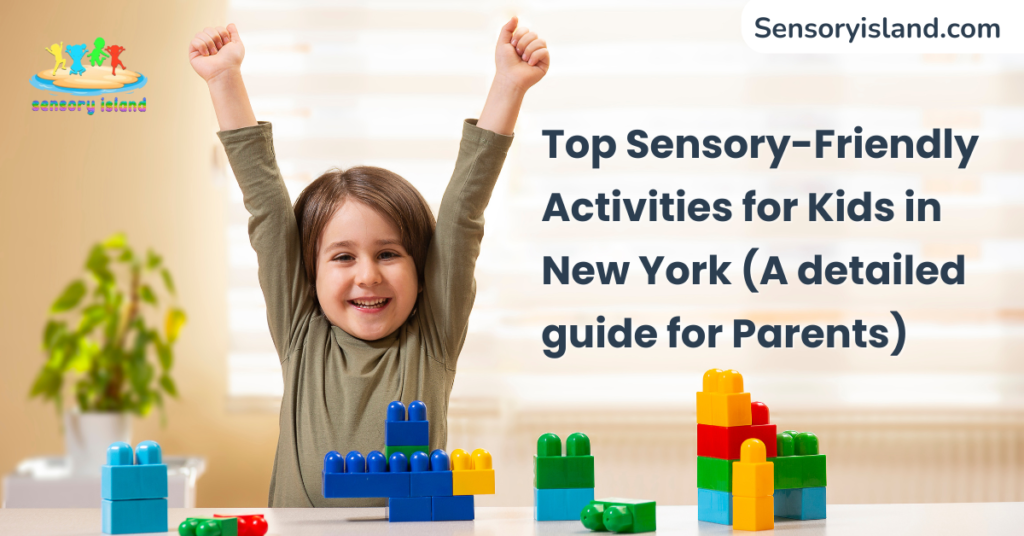

New York is one of the most vibrant cities in the world, but for many neurodivergent and sensory-sensitive children, the constant noise, movement, and unpredictability can feel overwhelming.
Parents across Brooklyn, Queens, Manhattan, Staten Island, the Bronx, and Long Island are constantly seeking calm, structured, and sensory-friendly activities that enable their children to learn, explore, and play without stress.
This 2026 guide highlights the best sensory-friendly activities for kids in New York, along with tips to help families choose environments that support their child’s unique sensory needs.
Whether your child is autistic, sensory-seeking, sensory-avoidant, or simply benefits from calmer environments, this resource is designed to help you plan meaningful, joyful experiences.
What Makes an Activity “Sensory-Friendly”?
Sensory-friendly activities are thoughtfully designed experiences that support children with sensory processing challenges. These environments minimise unnecessary sensory input, provide predictable routines, and enable children to explore at their own pace.
Most sensory-friendly locations offer:
Reduced or controlled noise levels: Helps prevent auditory overload.
Dimmed or gentle lighting: Avoids harsh, unpredictable brightness.
Visual supports: Schedules, picture icons, and clear instructions.
Calming zones or quiet rooms: Spaces where kids can take breaks when needed.
Sensory tools available: Noise reduction headphones, fidgets, weighted items, and tactile toys.
Trained and understanding staff: Adults who know how to support neurodivergent kids with empathy and patience.
Flexible expectations: Kids are free to move, vocalise, and engage in ways that feel comfortable to them.
These elements make sensory-friendly environments safer, less overwhelming, and more accessible for children across a wide range of sensory profiles.
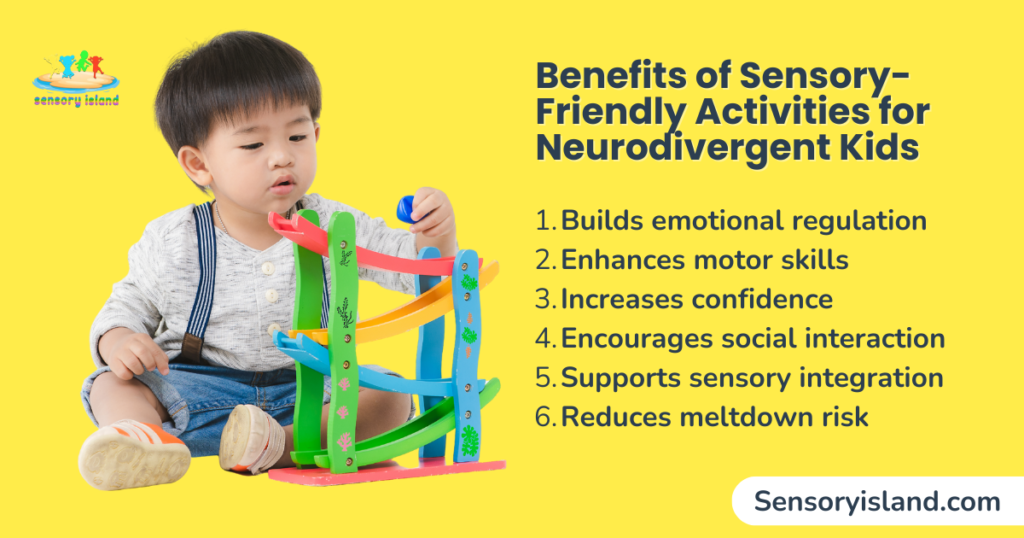
Benefits of Sensory-Friendly Activities for Neurodivergent Kids
Sensory-friendly environments don’t just reduce stress; they actively support developmental growth.
1. Builds emotional regulation: Children have space to calm down, recover, and manage sensory overload.
2. Enhances motor skills: Many sensory activities involve balance, touch, movement, or resistance.
3. Increases confidence: Kids explore freely without fear of judgment or sensory overwhelm.
4. Encourages social interaction: The structured environment helps them connect with peers at their own pace.
5. Supports sensory integration: Activities help the brain process information more effectively.
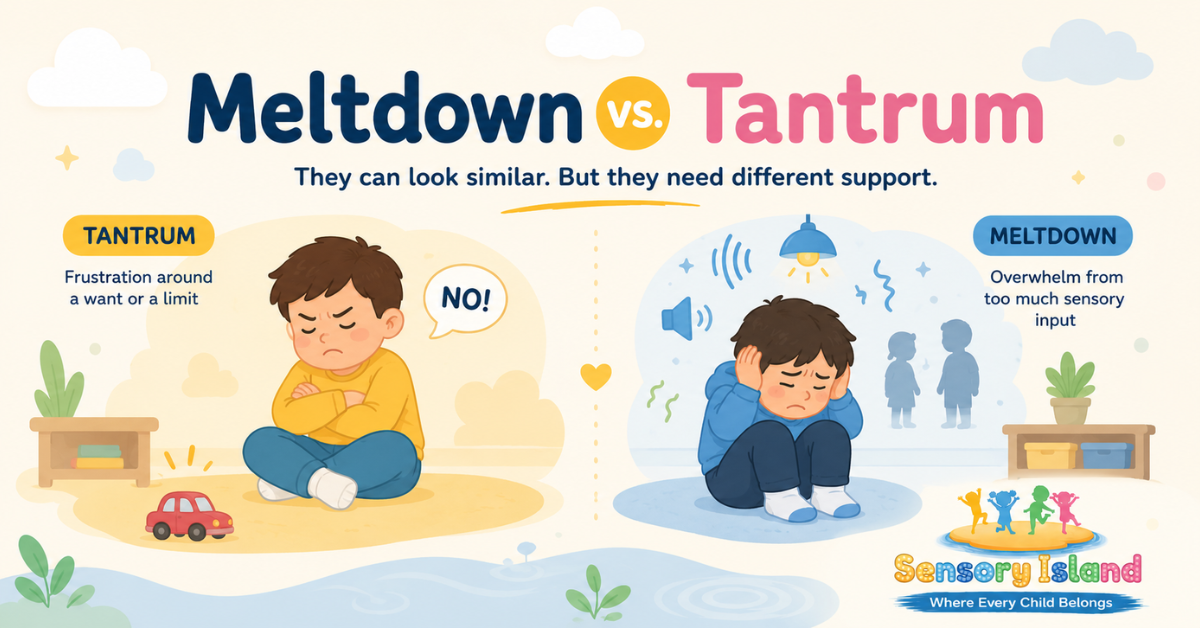
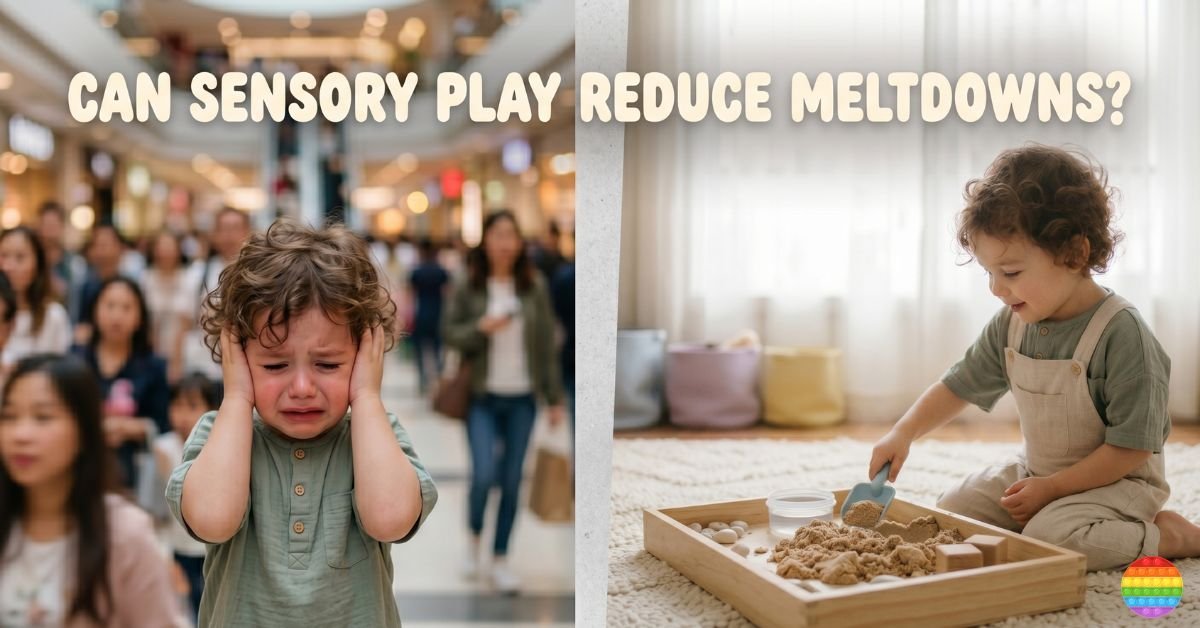
6. Reduces meltdown risk: Calm, predictable environments help kids feel safe and in control.
When families find the right sensory-friendly spaces, children can experience play, learning, and socialising in ways that feel empowering, not overwhelming.
Top Sensory-Friendly Activities for Kids in New York (2026 Edition)
Neutral, research-based guide for NYC parents.
Below are some of the best sensory-friendly activities available across New York’s boroughs and Long Island. Each location offers programs or environments specifically tailored for children with sensory sensitivities.
1. Brooklyn Children’s Museum – Sensory-Friendly Hours (Brooklyn)
The museum offers specially designated “Sensory-Friendly Hours,” reducing noise, limiting admissions, and turning down the lights. With hands-on exhibits and quiet areas, it’s a favourite for families seeking structured play.
Why it’s great:
- Calmer environment
- Tactile and interactive exhibits
- Staff trained in sensory awareness
2. Bronx Zoo – Quiet Mornings Program (Bronx)
The Bronx Zoo hosts “Quiet Mornings,” where the zoo opens early exclusively for visitors seeking sensory-friendly experiences. Noise is minimized, and crowds are significantly lower.
Why it’s great:
- Lots of open space
- Perfect for nature-loving kids
- Reduced sensory input during early hours
3. New York Aquarium – Sensory Mornings (Brooklyn)
The aquarium’s sensory mornings provide a peaceful experience for children who prefer less stimulation. Staff members are prepared to support sensory needs.
Why it’s great:
- Calming ocean visuals
- Cooler temperatures
- Programming designed for neurodivergent children
4. Queens County Farm Museum (Queens)
This spacious outdoor farm is naturally sensory-friendly. Kids can explore open fields, meet farm animals, and enjoy seasonal activities that don’t overwhelm the senses.
Why it’s great:
- Wide, open spaces
- Natural sensory experiences
- Low noise levels
5. Staten Island Children’s Museum (Staten Island)
Offers sensory-friendly sessions with reduced lighting and sound, plus hands-on exhibits designed to meet various sensory needs.
Why it’s great:
- Interactive learning
- Sensory-friendly adjustments
- Structured environment
6. Central Park Sensory Walks (Manhattan)
Guided sensory walks through Central Park help kids connect with nature through touch, sight, sound, and movement.
Why it’s great:
- Free and relaxing
- Nature-based sensory regulation
- Wide pathways for movement
7. Long Island Children’s Museum – Sensory-Friendly Programs (Long Island)
One of the most well-known sensory destinations, LICM offers dedicated sensory-friendly events with modified exhibits and sensory break spaces.
Why it’s great:
- Staff trained in sensory support
- Wide range of interactive exhibits
- Calm, structured programming
8. Sensory-Friendly Movie Screenings (AMC & Regal Theatres Nationwide)
Many AMC and Regal locations in New York host regular sensory-friendly showings with:
- The lights turned up
- volume reduced
- relaxed seating rules
- freedom to walk or make noise
Why it’s great:
- Inclusive cinematic experience
- Perfect for sensory-seeking or sensory-avoidant kids
- Predictable schedule
9. Local Libraries’ Autism-Friendly Story Hours (NYC Boroughs)
Public libraries across New York offer autism/social storytime sessions with visual supports, predictable routines, and sensory tools.
Why it’s great:
- Free
- Structured storytelling
- Thoughtfully designed for neurodivergent children
10. Indoor Sensory Gyms (NYC & Long Island)
Several independent sensory gyms across NYC offer:
- swings
- climbing walls
- safe movement-based play
- tactile zones
- OT-inspired equipment
Why it’s great:
- Great for movement lovers
- Highly supervised
- Controlled environment
11. Sensory Island – A New Sensory-Friendly Space Opening in Deer Park, NY (Spring 2026)
Located at Tanger Outlets 897 The Arches Circle, Building 8, Suite 800, Deer Park, New York 11729, Sensory Island is a soon-to-open sensory-focused centre designed for neurodivergent and sensory-sensitive kids across New York.
Families from Brooklyn, Queens, Manhattan, Staten Island, the Bronx, and Long Island will be able to enjoy a sensory-rich, calming environment where children can play safely and freely.
What Sensory Island will offer:
- A thoughtful, calming sensory environment
- Quiet zones and relaxation corners
- Sensory-focused play areas
- A judgment-free space for every child
- Staff trained in sensory awareness
Sensory Island will also offer meaningful socialisation opportunities for children through sensory-focused campaigns and a supportive environment where they can make friends, enjoy playdates, and learn proper social cues. In addition, Sensory Island will provide homework assistance and tutoring support to help strengthen the academic performance of kids.
Sensory Island will also offer the following
- Sensory rooms
- Swings
- Climbing walls
- Safe movement-based play
- Tactile zones
- OT-inspired equipment
- Gym equipment
Why it’s included in this list:
Sensory Island expands NYC’s growing ecosystem of safe, inclusive, sensory-friendly spaces for children. This guide remains neutral, but families should know about a new location designed with care and accessibility in mind.
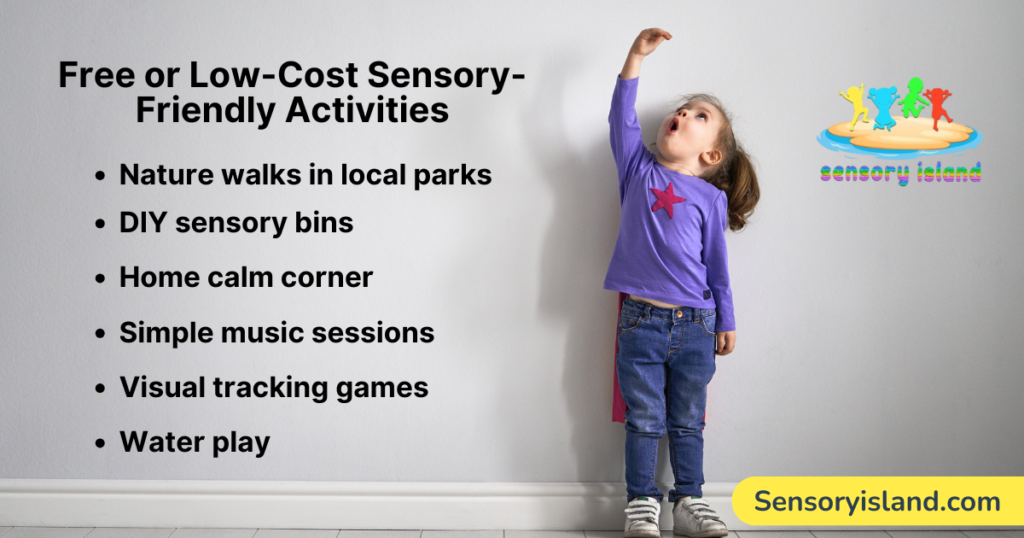
Free or Low-Cost Sensory-Friendly Activities (Perfect for Everyday Parents)
These activities help families who want accessible sensory experiences without spending much:
Nature walks in local parks: Gentle sound + movement = perfect regulation activity.
DIY sensory bins: Rice, beans, water beads, sand – endless possibilities.
Home calm corner: Create a cozy space with pillows, textures, and soft lighting.
Water play: Warm or cool water provides calming tactile input.
Visual tracking games: Bubbles, flashlights, glitter bottles.
Simple music sessions: Rhythmic drumming or gentle sound-based play.
These activities are great daily tools for parents supporting sensory-sensitive kids at home.
How to Choose the Right Sensory-Friendly Activity for Your Child?
Every child’s sensory profile is unique. To pick the right activity, consider:
1. Your child’s triggers: Do they dislike loud noises? Bright lights? Crowds?
2. Sensory needs: Are they sensory-seeking or sensory-avoidant, or a mix?
3. Type of stimulation: Movement? Touch? Visual? Auditory? Nature-based?
4. Environment predictability: Look for locations with schedules, signage, and routines.
5. Staff awareness: Places with trained staff can provide better support.
6. Escape routes / quiet spaces: Make sure a calm area is available for breaks. The goal isn’t to “fix” or “correct” sensory differences; it’s to help kids feel safe and confident while exploring the world in their own way.
Final Thoughts: Making New York More Inclusive for Every Child
New York is fast, loud, and full of energy, but it’s also home to some of the most thoughtful, sensory-friendly experiences for neurodivergent children. From museums with quiet hours to nature walks, sensory-friendly screenings, and emerging spaces like Sensory Island, parents now have more options than ever to support their child’s sensory needs. As more centers adopt sensory-inclusive practices, NYC becomes a more welcoming place for every child, regardless of how they process the world.
Sensory Island is proud to be part of this movement as we prepare to open our doors in Spring 2026. If you’re a parent, caregiver, teacher, or researcher looking for sensory-friendly experiences, we hope this guide helps you plan meaningful, joyful, accessible moments for your child.